Flexible grid contracts are becoming increasingly important in Europe
The electricity grid is reaching its limits in more and more places, while demand for new connections is growing rapidly. As a result, grid operators can no longer always guarantee the full requested capacity 24/7. Flexible grid contracts offer an alternative: companies get access to the grid, but accept that their offtake or feed-in is restricted at certain moments.
The chart illustrates the principle. Part of the available grid capacity is reserved but not used at that moment (A). At the same time, the actual grid load varies (C) over time. The headroom this creates at certain moments can potentially be made available for flexible grid use (B). This allows existing grid capacity to be used more effectively without permanently requiring additional firm capacity.
The exact contract types and the way this flexible capacity is determined differ per country and grid operator, but the principle is similar: more access to the grid in exchange for flexibility when the grid is under pressure.
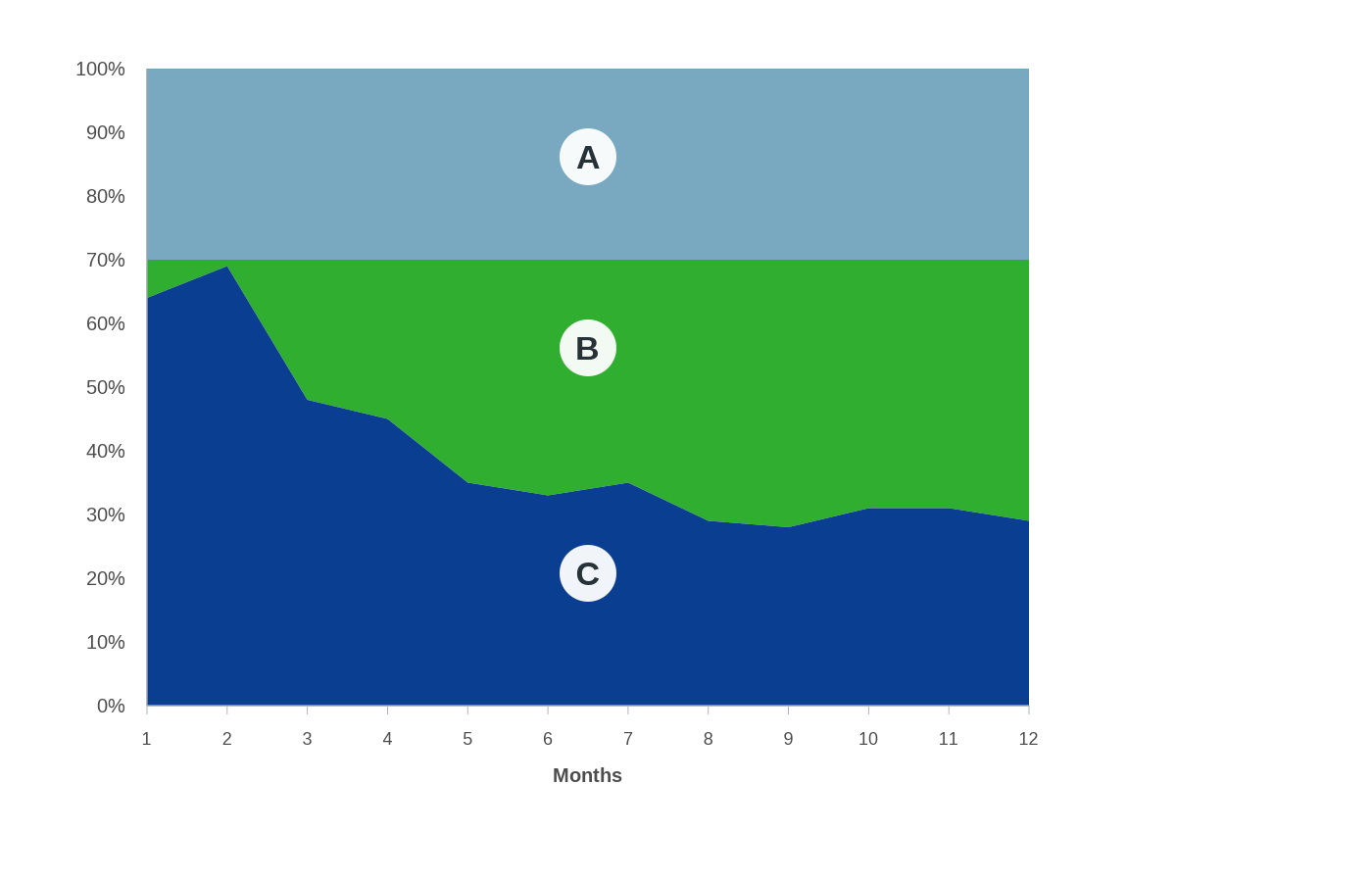
A = Unused / reserved capacity
B = Potentially available capacity for flexible grid use
C = Actual grid load
Flexible contracts differ per country
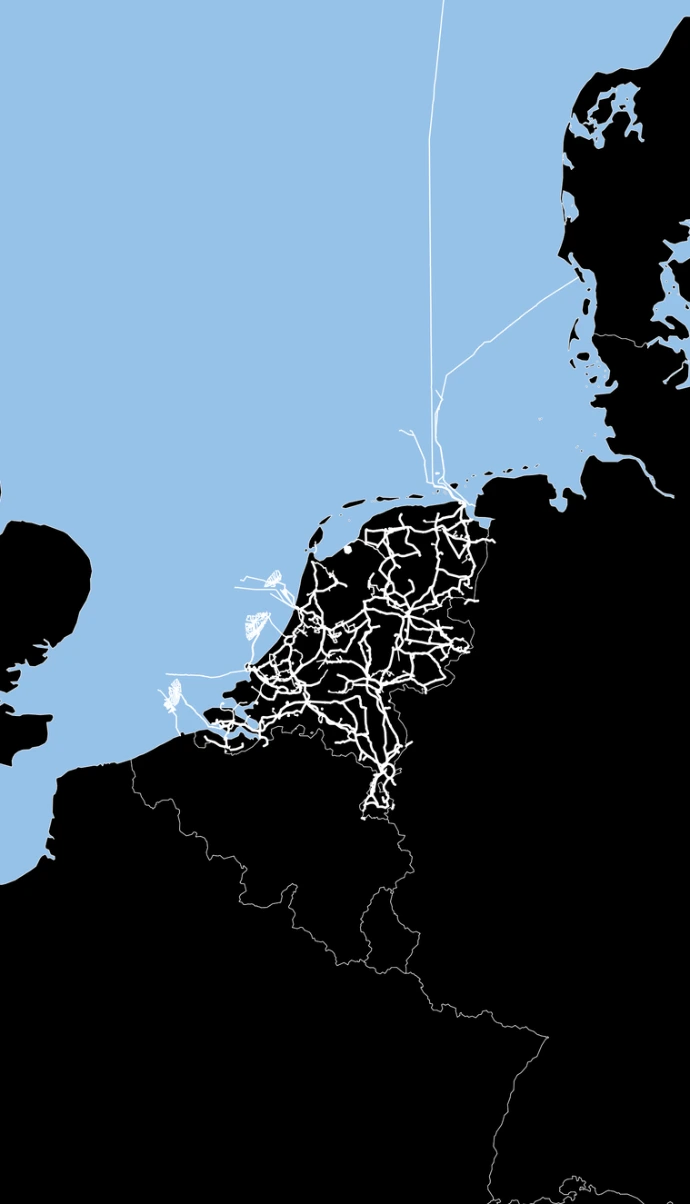
🇳🇱 Netherlands
TSO: TenneT
Flexible / non-firm transport: TDTR · VVTR
DSO: Liander · Enexis · Stedin · Westland Infra
Flexible / non-firm grid access: TBTR · VVTR
Congestion management: CSC · BPC / Redispatch
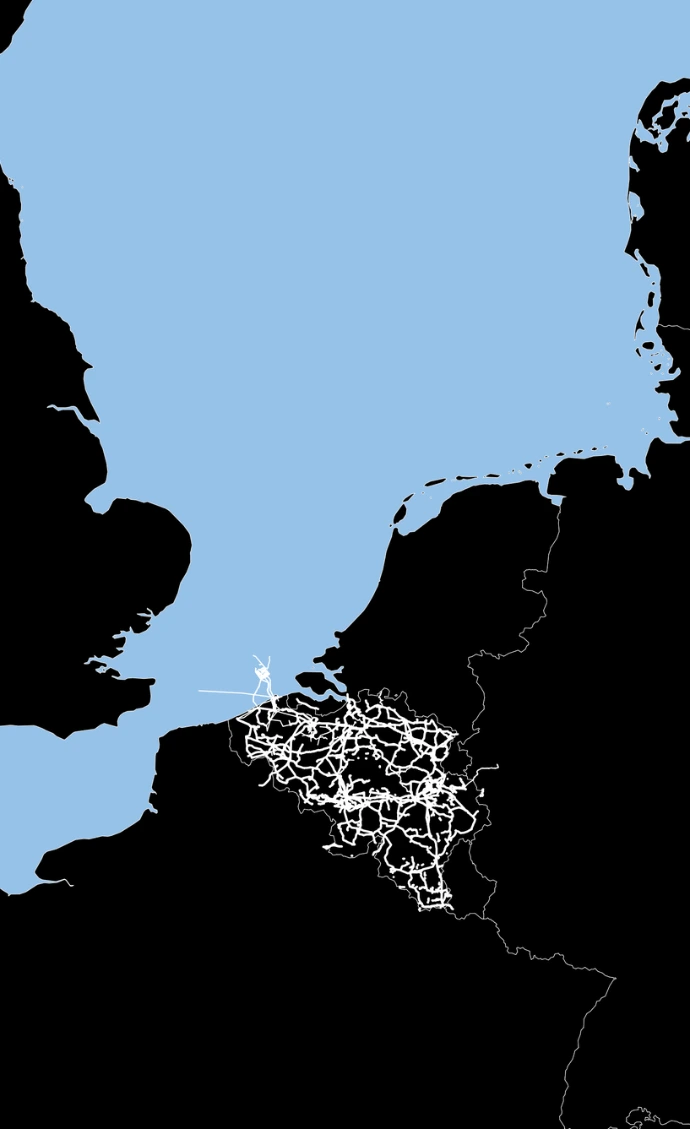
🇧🇪 Belgium
TSO: Elia
Flexible / non-firm connection: Flexible Access
DSO: Fluvius · ORES · RESA and others
Flexible / non-firm grid access: Flexible Connection
Congestion management: Redispatching · Flexibility
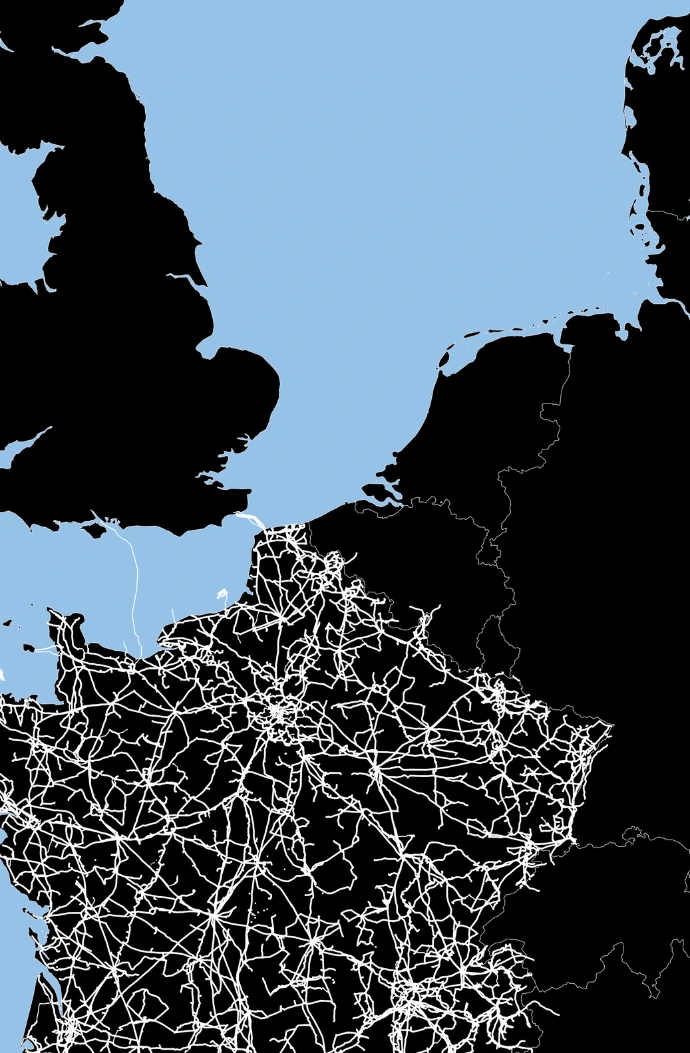
🇫🇷 France
TSO: RTE
Flexible / non-firm grid access: Raccordement optimisé à gabarit
DSO: Enedis · local DSOs
Flexible / non-firm grid access: Offre de raccordement à modulation de puissance
Congestion management: Flexibilités locales · Redispatch / network constraints
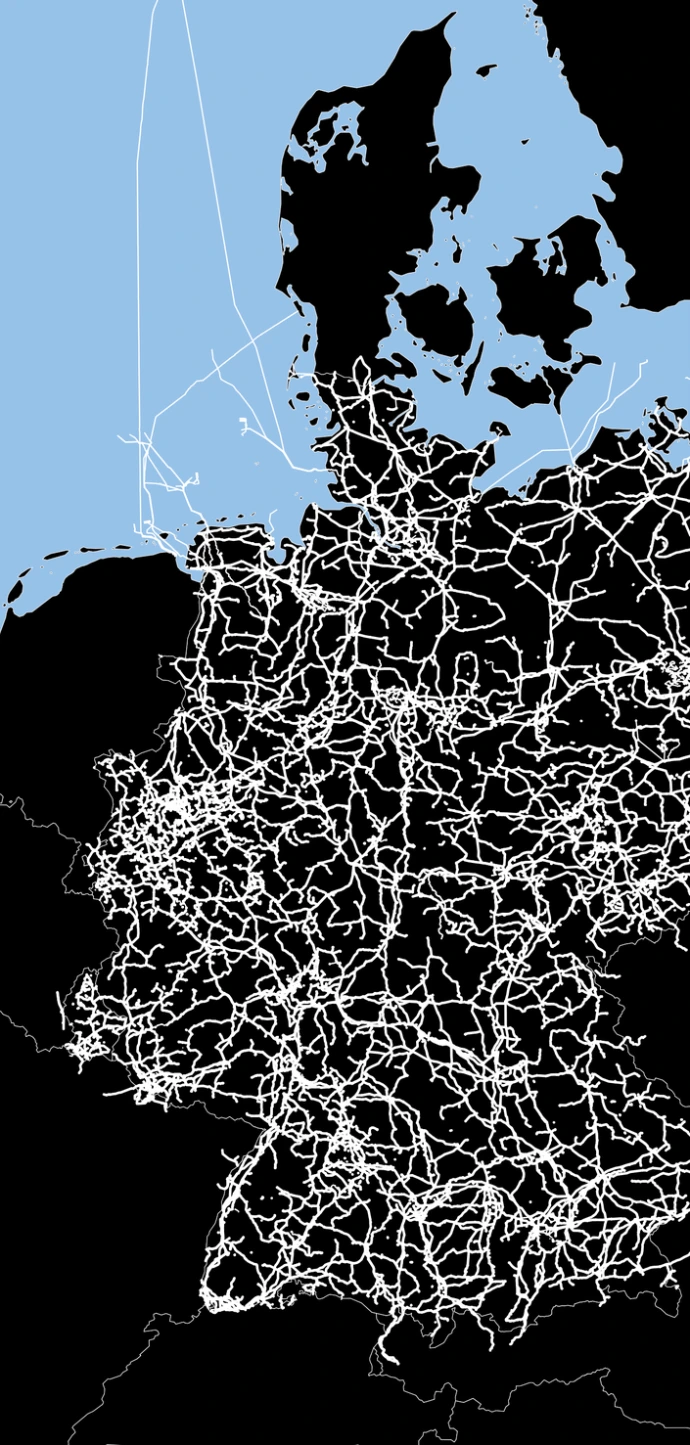
🇩🇪 Germany
TSO: 50Hertz · Amprion · TenneT · TransnetBW
Flexible / non-firm connection: FCA
DSO: regional grid operators
Flexible / non-firm grid access: FCA
Congestion management: Redispatch 2.0
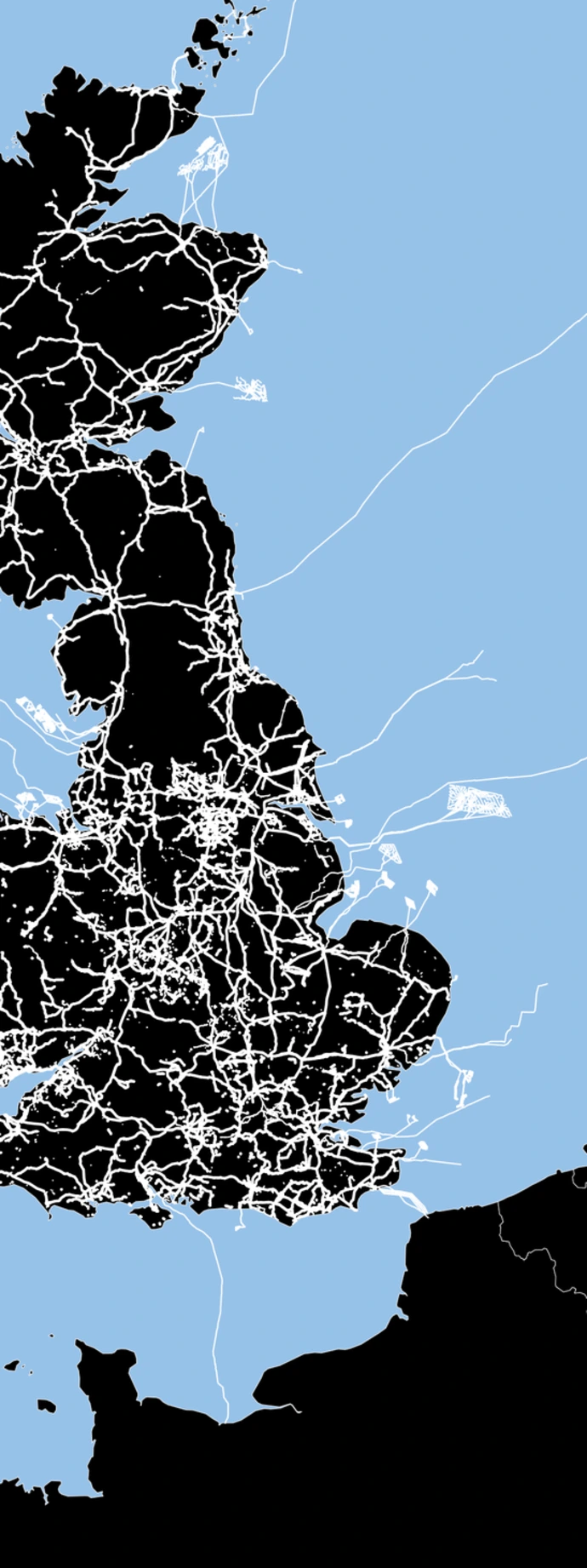
🇬🇧 Great Britain
TSO: NESO / Transmission Owners
Flexible / non-firm grid access: Non-firm access · Interim restrictions
DSO: regional DNOs
Flexible / non-firm grid access: Flexible Connection · ANM
Congestion management: Flexibility Services · Constraint Management
The contract alone doesn't tell you the business case
From contract terms to actual availability
Voltho Gridflow simulates per location and on an hourly basis when and how much transport capacity is available — for current and future grid situations.
This gives insight into:
- how many hours and MW a project is expected to be restricted;
- when these restrictions occur and why;
- how restrictions relate to electricity and flexibility markets;
- what the impact is on uptime, revenues and the business case;
- how this changes with future grid expansions and scenarios.
Trusted by












Curious what Gridflow can mean for your project?
In a no-obligation conversation, we explore your question.